








"The practices that last are not the ones that stay rigid. They are the ones that are honest about what you actually need right now, in this season, in this version of your life. They bend so they do not break."
You start strong. The first few days feel good. Then life picks up, the routine slips, and before long the journal is gathering dust and the candle you bought specifically for your wind-down is still sitting in its box.
The difference between a ritual and a good intention is repetition. And repetition only happens when something genuinely feels worth returning to. Not because you should, but because it gives something back.

Start Smaller Than You Think
The biggest mistake people make when building a new ritual is trying to do too much at once. A 45-minute morning routine sounds beautiful in theory. In practice, it lasts three days.
The problem is not willpower. It is design. When a ritual requires too much time, too much energy, or too much reorganising of your day, your brain will always find a reason to skip it. And once you have skipped it a few times, it stops feeling like yours.
Start with something that takes two minutes. Light a candle when you sit down to work. Make your coffee slowly, without your phone. Stretch before you get into bed. The ritual does not need to be elaborate to be meaningful. It just needs to happen consistently enough to become a thread in your day.
Once something small is woven in, it becomes the anchor for more.

Attach It to Something You Already Do
Rituals take hold faster when they are linked to an existing habit. This is called habit stacking, and it works because you are not creating a new slot in your day. You are expanding one that already exists.
After your morning coffee, five minutes of journaling. Before the shower, two minutes of breathwork. While your hair oil sits, something to read that is not a screen.
The "while" and "after" are doing a lot of work here. They remove the friction of starting from nothing, because you are not waiting for motivation to arrive. You are simply continuing something that is already in motion.
Think about the habits you already have, the ones that happen without thinking and ask yourself what could sit quietly alongside them.

Make It Sensory
Rituals that engage the senses are rituals that last. Scent especially. It is one of the fastest pathways to presence, which is why certain smells can transport you instantly to a memory, a feeling, a version of yourself you had almost forgotten.
A specific candle you only light during your wind-down. The smell of warm oil on your fingertips. A particular tea you save for Sunday mornings. A playlist that only plays during your walk.
When your body begins to associate a sensory cue with a feeling of slowness or care, the ritual starts to call you toward it rather than the other way around. You stop having to convince yourself to do it. The scent alone is enough to shift your state.

Protect It Like an Appointment
A ritual without a time is just an idea. Put it in your calendar, even if it feels overly formal. "Sunday oil treatment." "Thursday morning pages." "Evening walk." Give it a name and a slot, and treat it with the same respect you would give anything else you have committed to.
Life will always offer a reason to skip it. A deadline, a social plan, the general sense that you are too tired or too busy or that you will do it tomorrow. The ritual needs to be specific enough that skipping it feels like a choice, not a default.
And when you do skip it because you will sometimes, come back without drama. One missed day does not undo a practice. It is the coming back that builds the ritual, not the perfection.

Your Weekly Hair Oiling Practice
This is one of the oldest rituals in the world, and one of the simplest to build into your week.
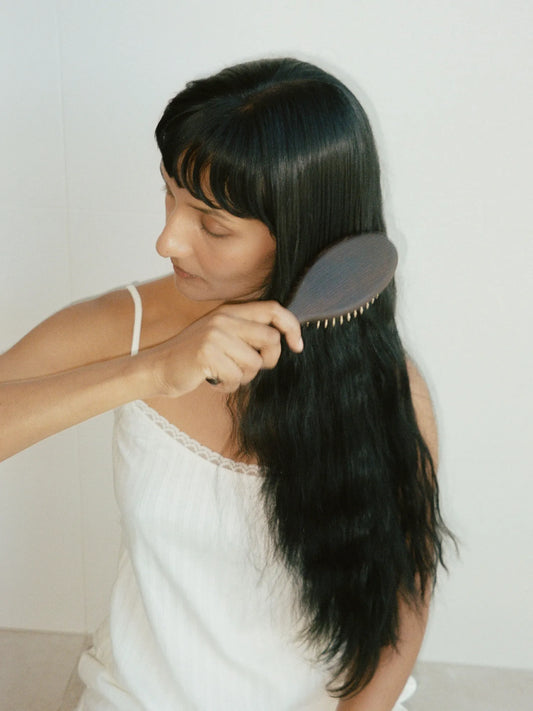
Across cultures and centuries, hair oiling has been passed down through generations not just as a beauty practice but as a moment of connection. To self, to lineage, to slowness. It has survived because it works, and because it feels good in a way that is difficult to describe until you have made it a habit.
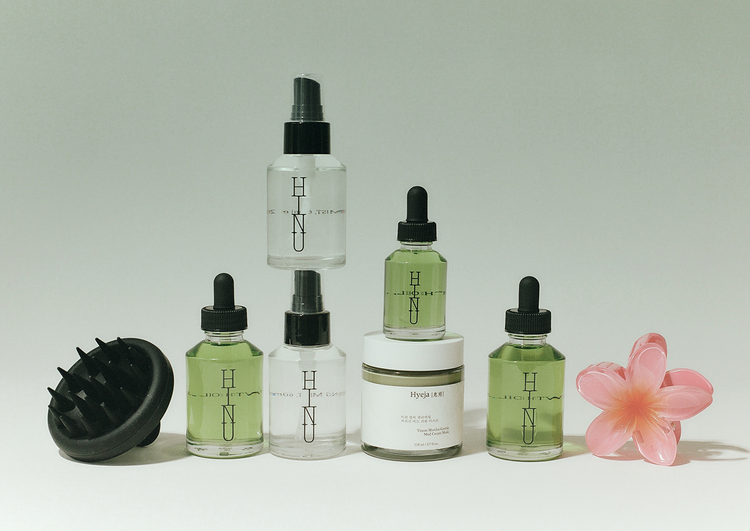
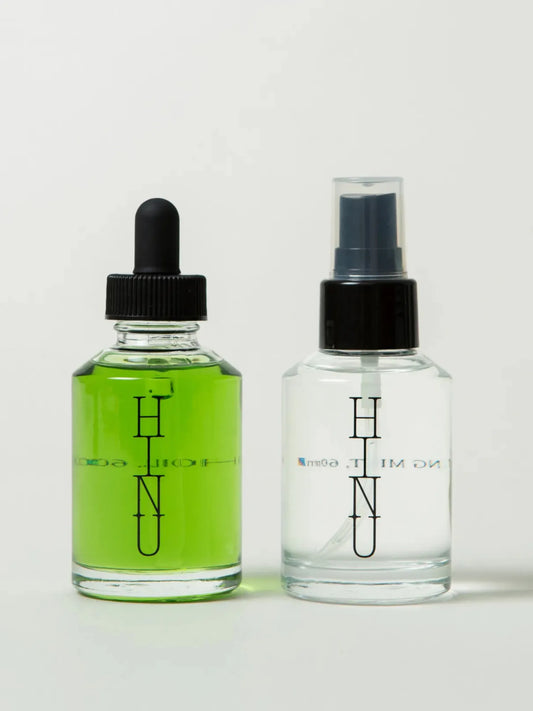
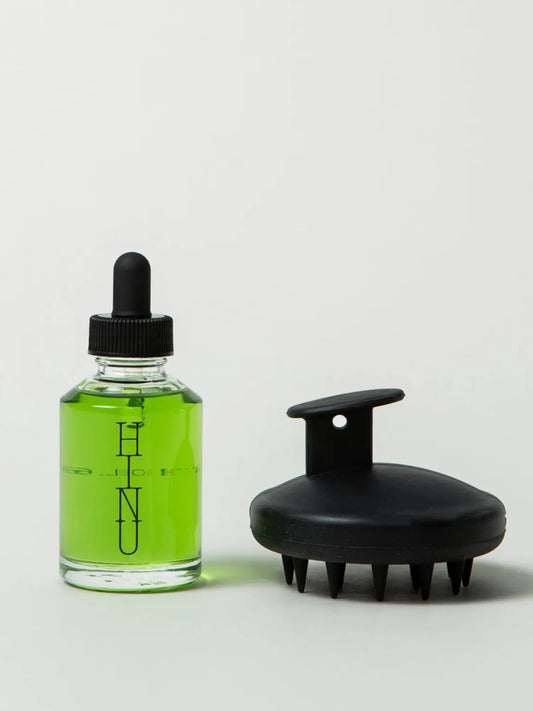
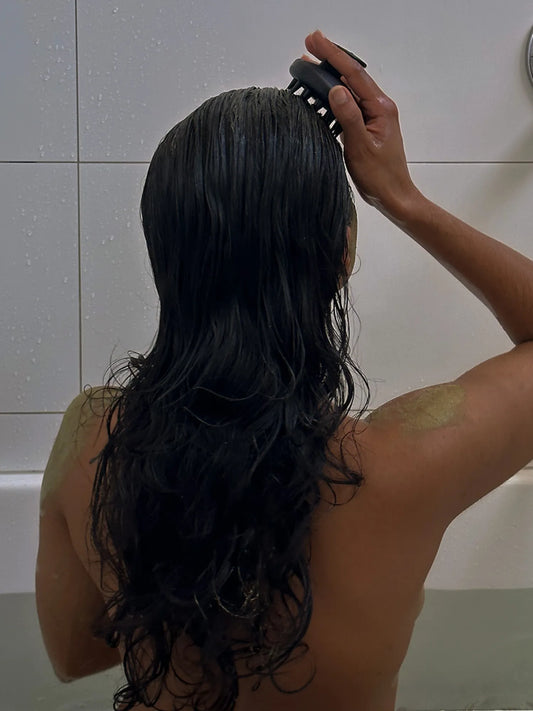
Once a week, warm your Hair Growth Oil in a bowl of hot water for a few minutes. Then massage it slowly into your scalp using your fingertips, working in small circular motions from the crown outward, for five to ten minutes. Wrap your hair in a warm towel and leave it for at least 30 minutes, longer if you can. Use this time as protected space: read, rest, sit outside, do nothing at all.
The oiling itself takes minutes. What it gives back is an hour that belongs entirely to you. That is the ritual.
