Minimalism is more than an aesthetic; it’s a philosophy that 'less is more.' The idea is not to strip life to its bare bones but to curate our surroundings deliberately. It’s about making room for more of what matters, more creativity, more clarity, more calm and letting go of the superfluous that weighs us down.

Embarking on the Journey to Minimalism:
- Reflect on Your Essentials Start by identifying what is essential to your happiness and productivity. What objects do you truly love? What items are necessary for your day-to-day life? These questions are the compass for your minimalist journey.
- Declutter with Purpose Tackling clutter can be overwhelming, so approach it methodically. Go room by room, drawer by drawer, asking yourself if each item serves a purpose or brings you joy. If it doesn’t, it might be time to say goodbye.
- Adopt Intentional Buying Habits Before introducing a new item into your space, pause and consider its utility and necessity. Each purchase should be a thoughtful addition, not just a fleeting thrill.

Designing Your Minimal Space:
- Choose Quality Over Quantity Invest in fewer, higher-quality pieces that not only last longer but also bring a sense of craftsmanship and design into your space.
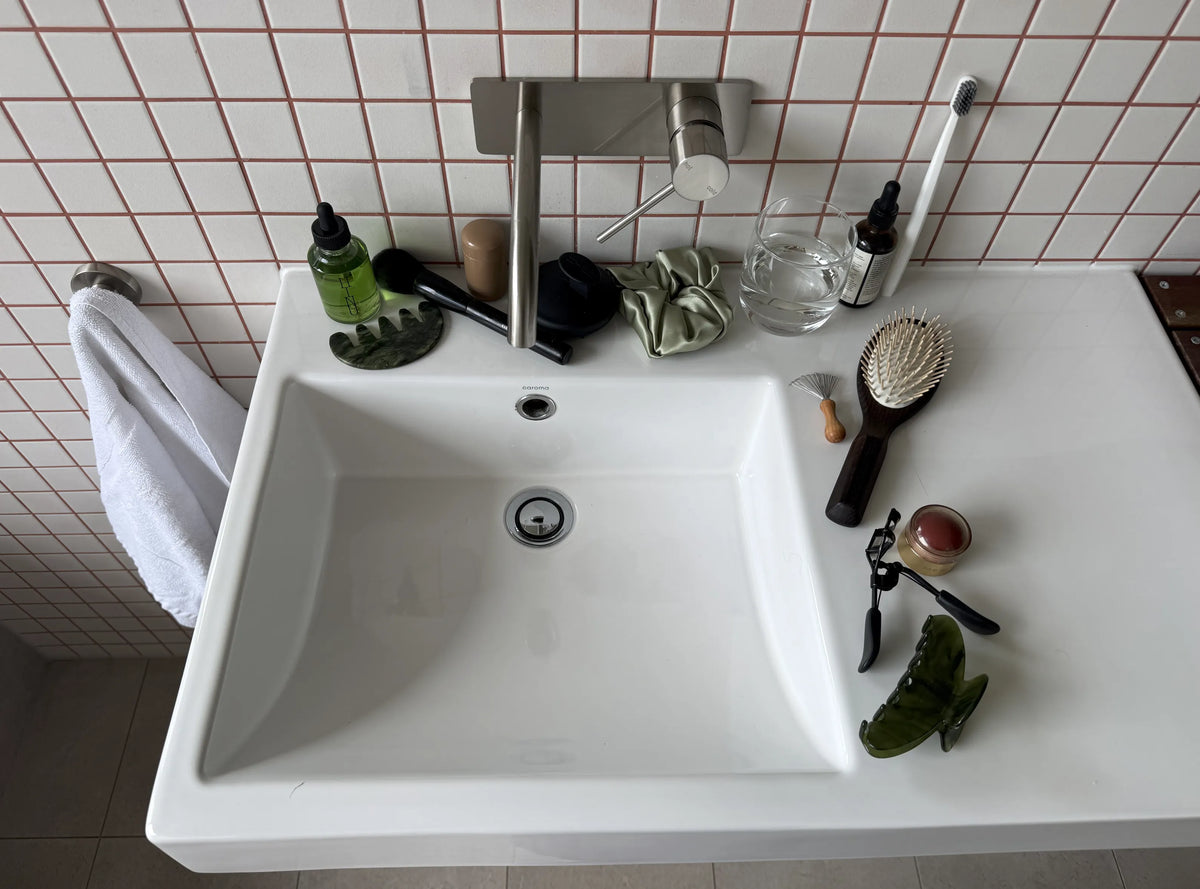
- Embrace White Space White space doesn’t necessarily mean white walls; it’s about allowing breathing room between objects, leading to a more open and less crowded environment.
- Incorporate Nature Elements like plants or a simple vase of flowers can bring life and colour into a minimal space without adding chaos.

The Mind-Space Connection:
Creating a minimal space is intrinsically linked to fostering a clear mind. A decluttered room can significantly reduce the anxiety and distractions that hinder our ability to focus and relax. Each cleared surface and carefully chosen object can act as a balm to an overstimulated mind, allowing us to breathe a little easier and think a little clearer.