Why Green Makes Us Feel Better

Why Green Makes Us Feel Better

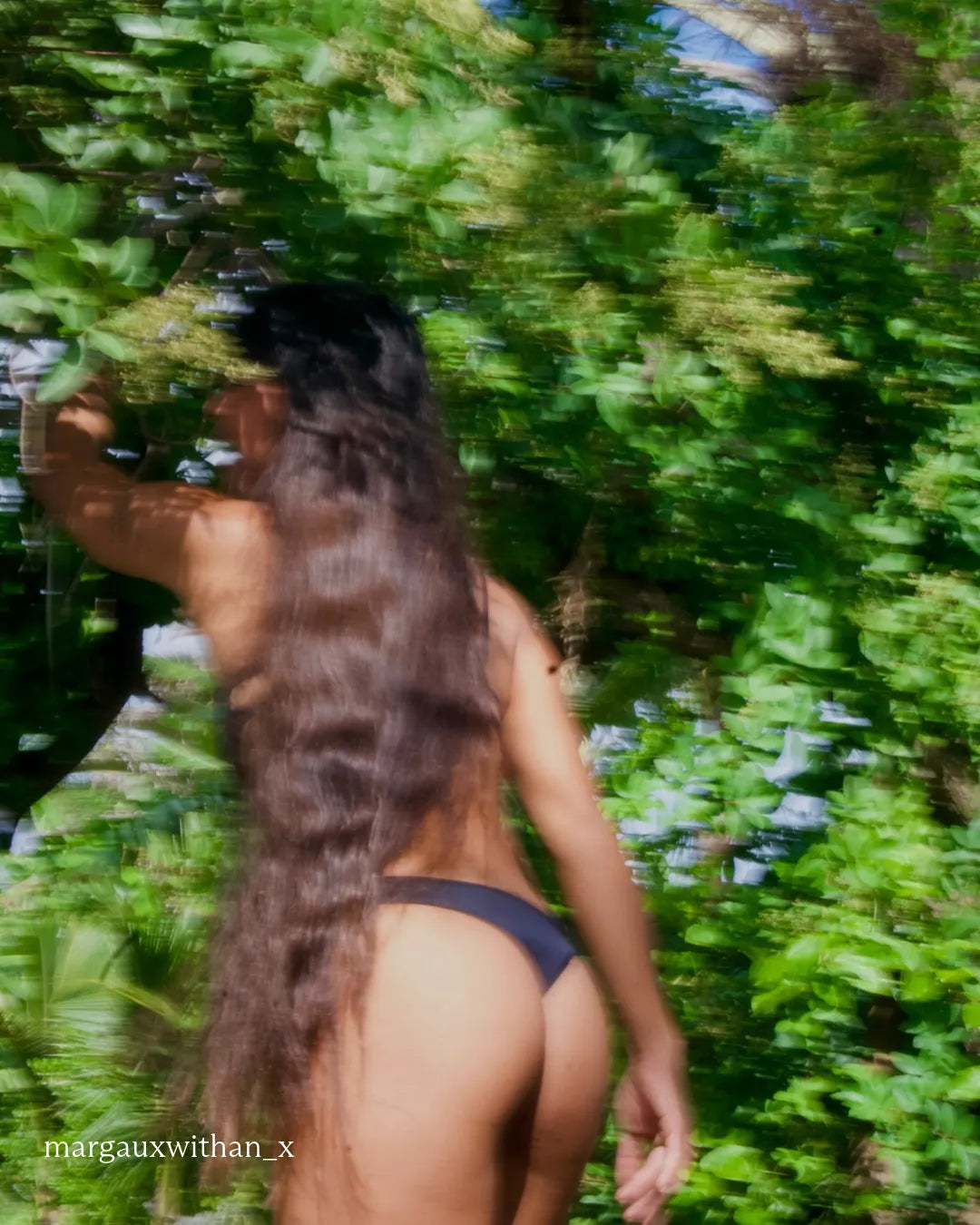
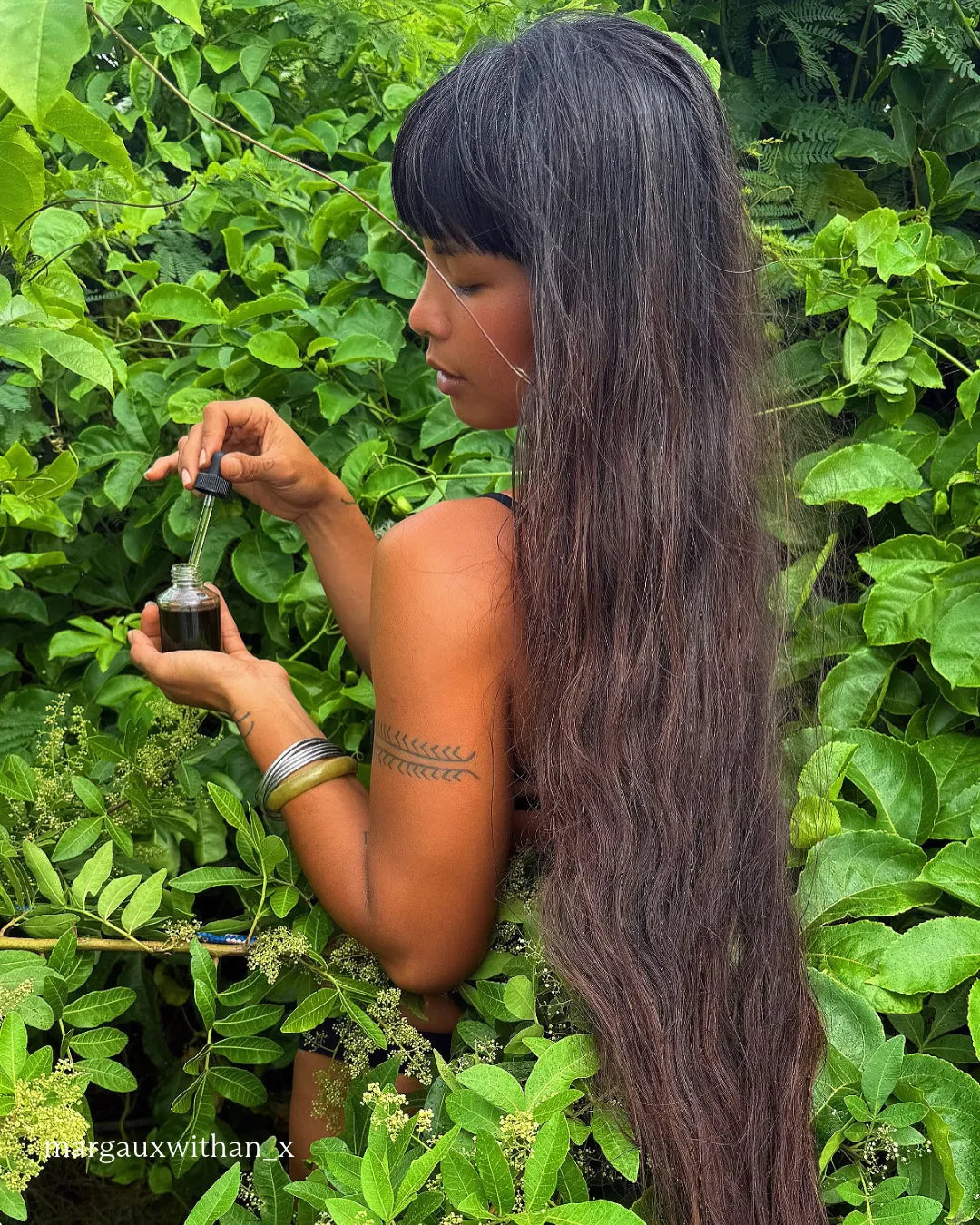
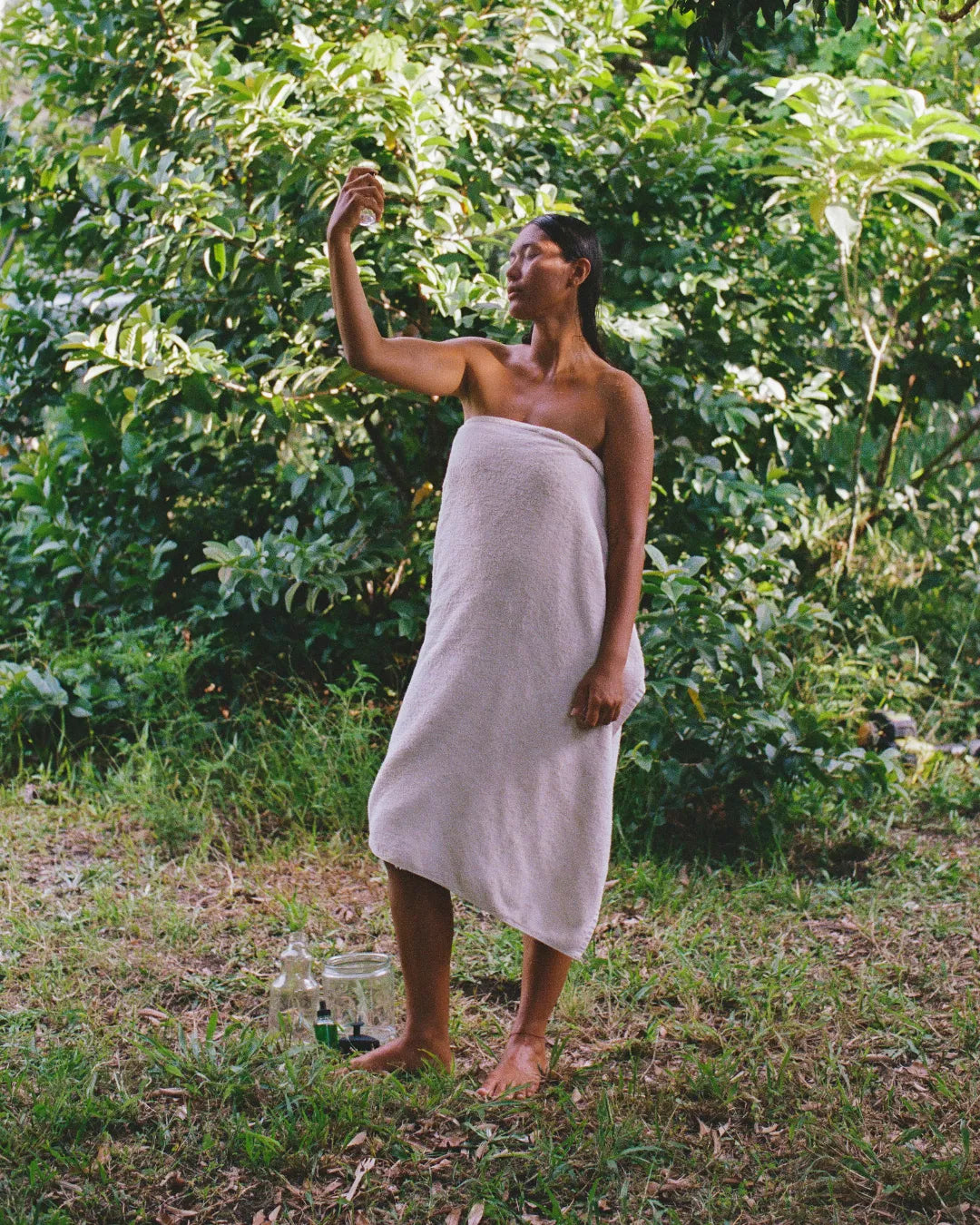
Human eyes were shaped by wild, growing places, searching the landscape for something to eat, something to heal, and somewhere to drink. It's why our vision is more sensitive to green than to any other colour, a survival advantage we've carried for millions of years. 


We may have traded the forest for the office, but our bodies haven't forgotten where they came from. Somewhere deep in our wiring, green still signals safety and abundance, a cue that it's okay to slow down. And it turns out that simply seeing green can change how we think, how we feel, and even how our hearts beat.

Green is restful for the brain

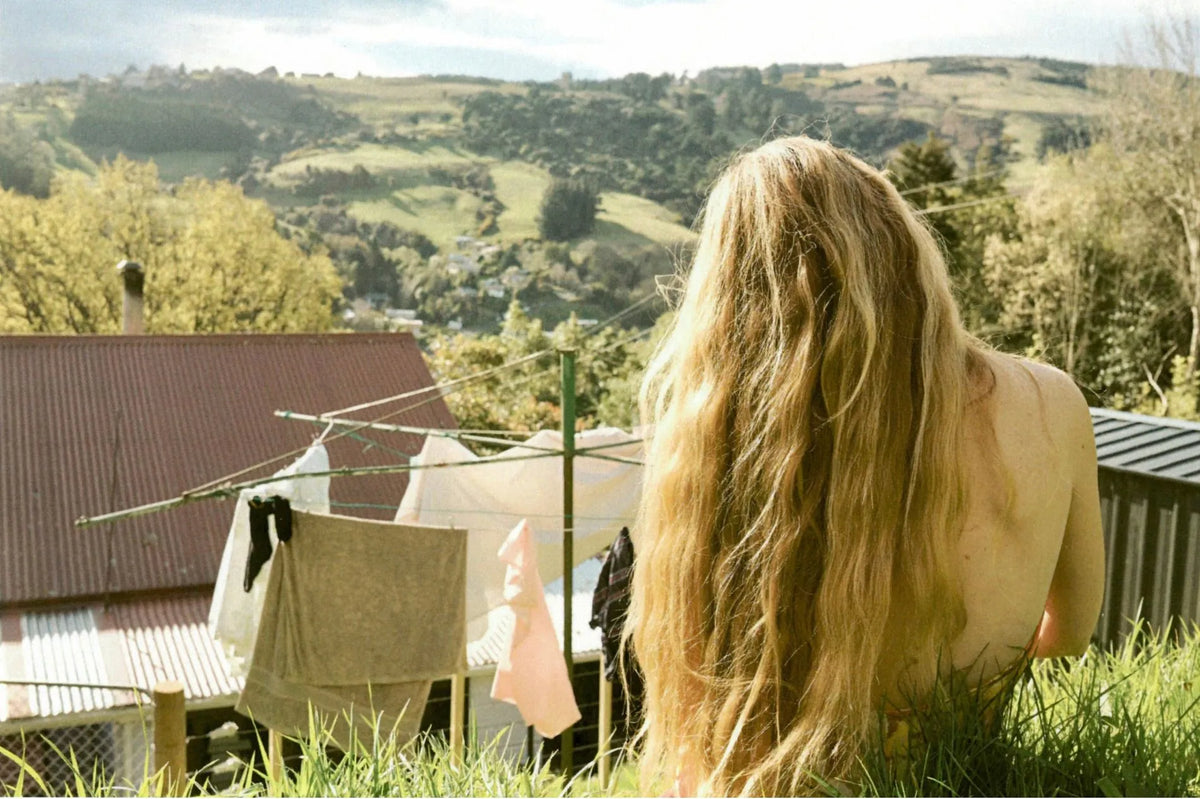
Environmental psychologists have a lovely name for what happens when we look at nature: soft fascination. Unlike a screen, which demands sharp, focused attention, a canopy of leaves or a rolling paddock holds our interest gently. Our minds can wander while the parts of the brain that handle concentration get a chance to recharge. This idea, known as Attention Restoration Theory, helps explain why a walk outside can leave you feeling clearer than a scroll through your phone.

You don't need a lot of it, either. Researchers at the University of Melbourne found that people who glanced at a green roof for just 40 seconds during a repetitive task made fewer errors afterwards than those who looked at a plain concrete roof. Forty seconds!

It can calm your body too

In a 2019 study, researchers asked people to walk in environments coloured green, red or white. At the same walking pace, people in the green setting had noticeably lower heart rates. Seeing green seemed to help the body do the same work with less strain.

It's worth being honest about the nuance, though. When the same researchers tested running instead of walking, the calming effect on heart rate disappeared. Green isn't a magic switch. But for the gentle pace of everyday life, like strolling, pottering and winding down, it appears to help the body settle.

The idea goes back decades. In a famous 1984 study, hospital patients recovering from surgery in rooms that looked out onto trees had shorter stays and needed fewer strong painkillers than those whose windows faced a brick wall.

How much green do we need?

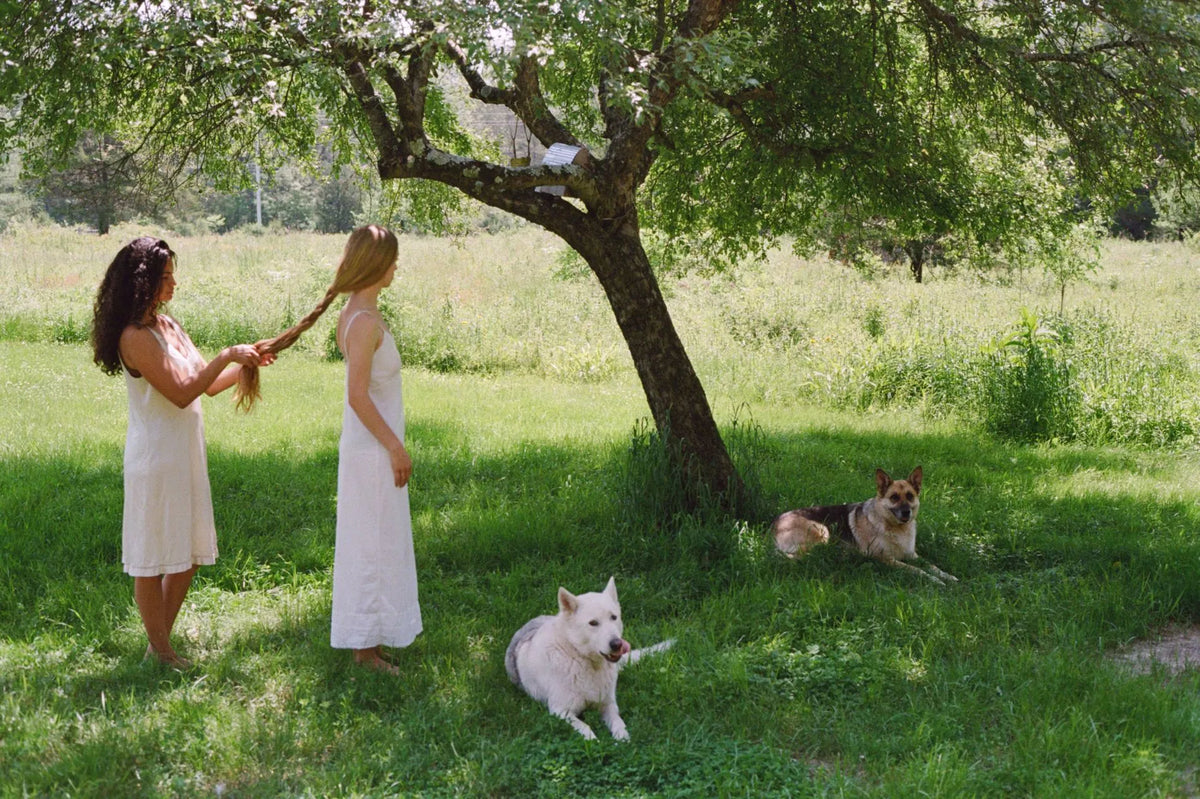
A large 2019 study of around 20,000 people in England found that those who spent at least two hours a week in nature were significantly more likely to report good health and wellbeing. Interestingly, it didn't matter whether that time came in one long hike or several short visits.

Two hours a week works out to about 17 minutes a day. That's a walk around the block via the park, lunch on a bench under a tree, or a slow wander through your local community garden.

The catch is that most of us spend the bulk of our days indoors, under artificial light, looking at screens. Children in particular are spending far less time playing outside than previous generations did. Getting our weekly dose of green now often takes a little intention.

When you can't get outside

Some weeks, the park feels a world away. The good news is that even small doses of green seem to count. That Melbourne green-roof study suggests a glance can help, and the hospital research shows that simply having a view of trees made a difference.

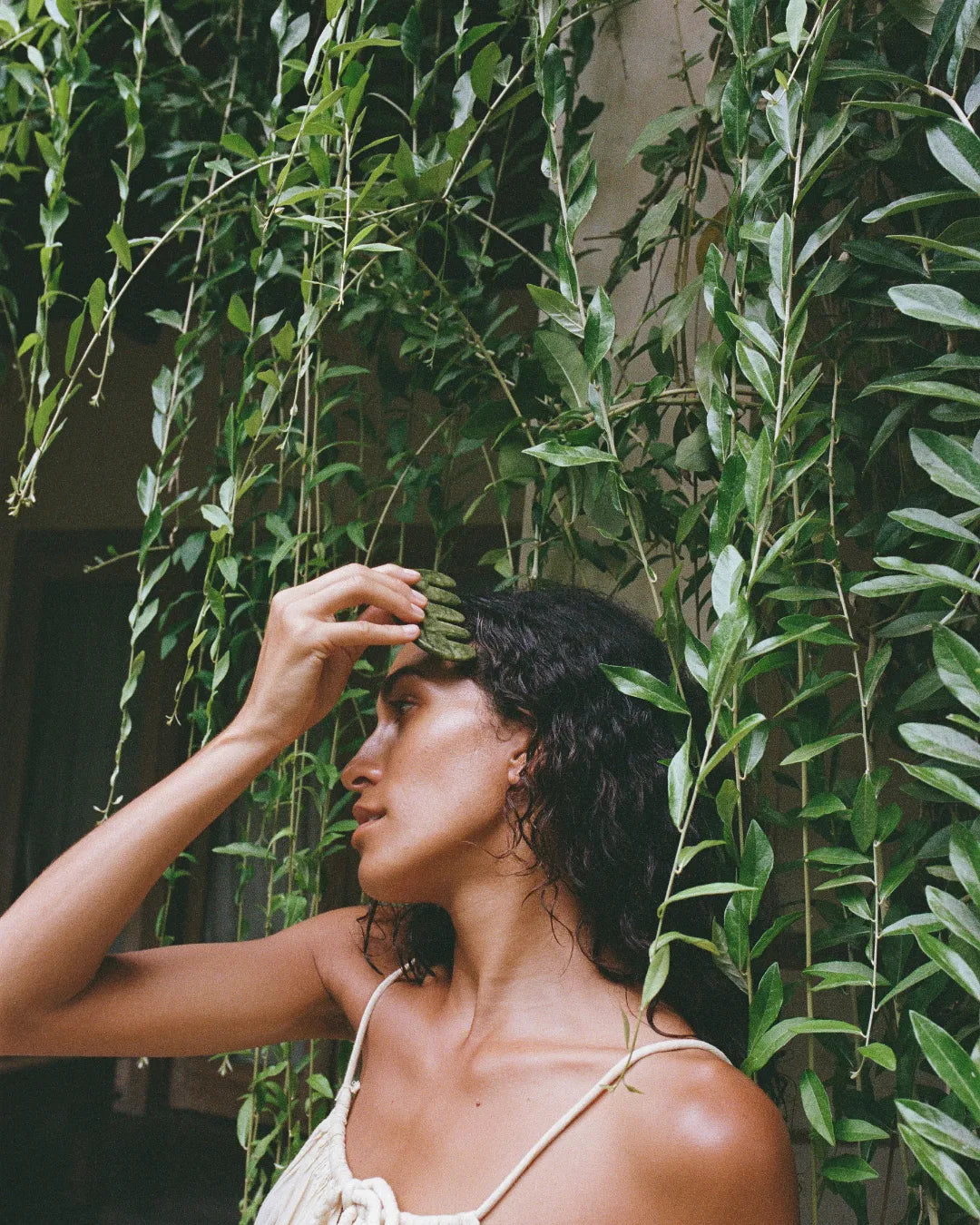
So bring the outside in where you can. Keep a plant on your desk, open the blinds, or set your workspace up facing a window. Put a bunch of eucalyptus in a jar on the kitchen bench. It's a small thing, but your eyes will keep finding it.

Your green prescription

Here are a few easy ways to get more green this week:

Take the long way. Choose the route that passes a park, creek or tree-lined street, even if it adds five minutes.

Look up from your screen. Every hour or so, spend 40 seconds looking at a plant or out a window at some greenery.

Green your space. A pothos on your desk or a pot of herbs on the windowsill can make a surprising difference.

Eat your greens. Leafy veg, fresh herbs and a matcha or two bring green onto your plate as well.

Leave the phone behind. Next time you're outside, give yourself ten minutes without a screen and just notice what's around you.

So here's our challenge to you: head outside today and find something green. Notice the texture of a leaf, the way light moves through the branches, the smell of fresh-cut grass. Your eyes, your mind and maybe even your heart rate will thank you.