


Understanding Frizz: Why It Happens and How to Manage It

Frizz is something most of us know well. It can make your hair feel untamed and unpredictable. But frizz is not your enemy. It is a signal that your strands are craving care, moisture, and attention.

Understanding Frizz: Why It Happens and How to Manage It

Frizz is something most of us know well. It can make your hair feel untamed and unpredictable. But frizz is not your enemy. It is a signal that your strands are craving care, moisture, and attention.

When you understand why it happens and respond with simple, mindful rituals, frizz can become something you work with instead of against.

Why Frizz Happens

Frizz appears when the hair cuticle, the outer layer of each strand, lifts and allows moisture to pass in and out. This can make hair swell, tangle, and lose its smoothness. A few factors influence frizz:

Hair type and genetics. Curly and wavy hair is naturally more prone to frizz because the cuticle is raised. Fine or porous hair can also frizz easily because it struggles to retain moisture.

Humidity. Even small amounts of moisture in the air can make hair swell and frizz. That is why hair can behave differently on rainy days or in summer heat.

Dryness and damage. Heat styling, chemical treatments, and over-washing strip hair of its natural oils, leaving it more vulnerable to frizz.

Understanding these factors helps you respond in a way that nourishes and protects your hair rather than trying to control it.

How to Manage Frizz

Frizz is really an invitation to care for your hair in a simple, mindful way. Here is a routine that works.

1. Pre-wash hair oil treatment
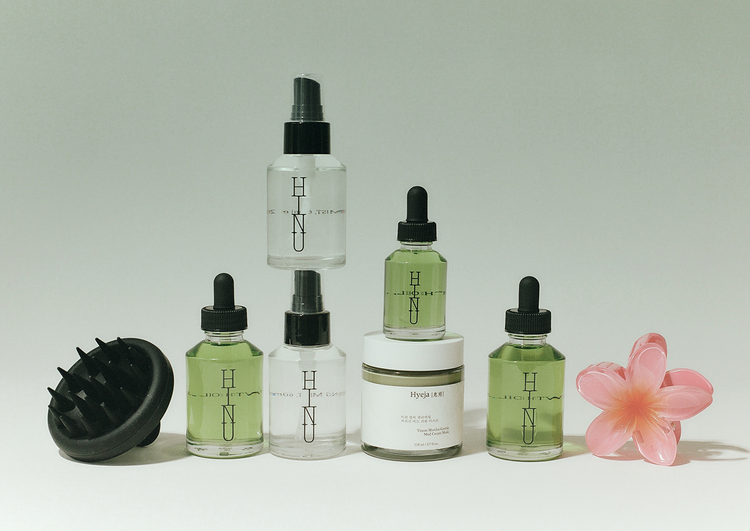
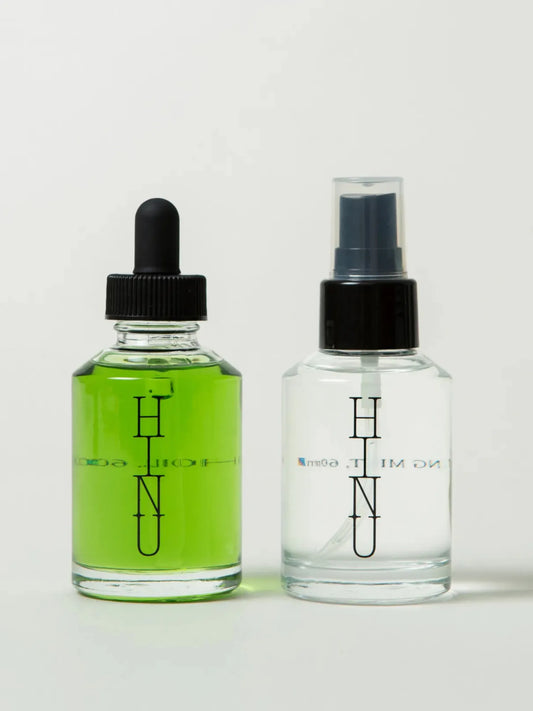
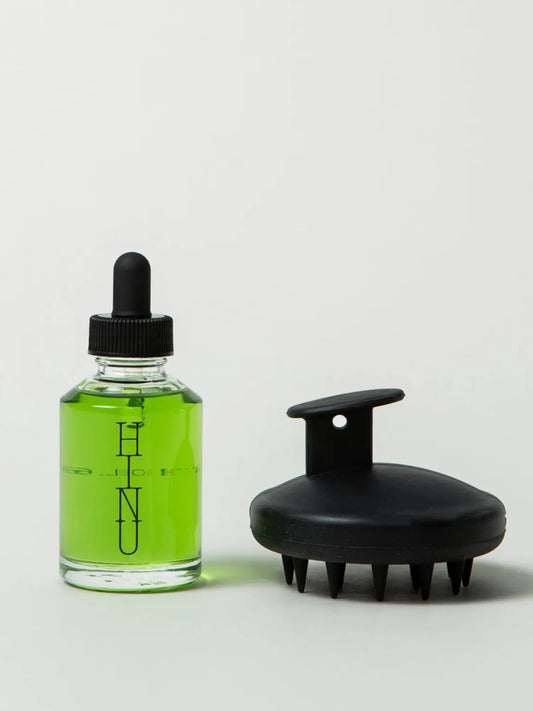
Before washing, apply a light layer of hair growth oil to your scalp, gently massaging it in to stimulate circulation. Use any remaining oil on your palms to smooth through the mid-lengths and ends. Leave it on for at least 30 minutes, or overnight for an extra nourishing treatment. This pre-wash ritual nourishes and protects hair from the drying effects of shampoo, strengthens strands, and creates a silky, smooth foundation for cleansing.

2. Gentle washing
Use a gentle shampoo to cleanse your hair without stripping it. Over-washing can remove natural oils and leave hair more prone to frizz. After shampooing, follow with a conditioner or hydrating mask to restore moisture and softness.

3. Hydrating mist after washing
While your hair is still damp, spritz a hydrating mist from roots to ends. This replenishes moisture, softens strands, and makes them more flexible. A hydrating mist gives hair a gentle boost of hydration, preparing it to move freely without frizz.

4. Daily hair oil for ends
To maintain soft, frizz-free ends between washes, apply a small amount of hair oil daily. Focus on the tips, where dryness and breakage tend to appear first. This simple step keeps hair nourished, smooth, and protected throughout the day.

5. Dry and style gently
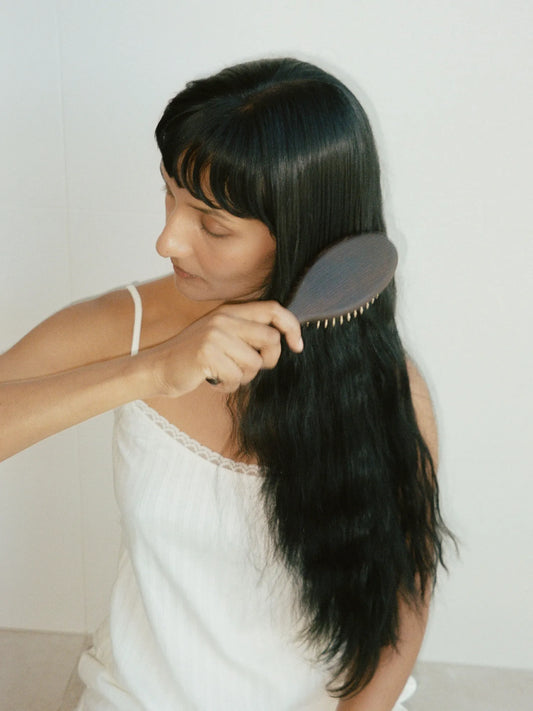
Air-drying is ideal, but if you need heat, keep it low. Avoid rubbing hair with a towel. Friction lifts the cuticle and encourages frizz. Pat or squeeze hair gently with a soft microfiber towel or t-shirt.

6. Nighttime care
Before bed, spritz lightly with hydrating mist and add a few drops of hair oil to the ends. Sleep on a silk pillowcase or loosely wrap hair in a silk scarf. You will wake up with hair that is softer, smoother, and more manageable.

Remember, frizz is not a flaw. It is a signal that your hair is asking for moisture and care. By responding with a pre-wash oil treatment, post-wash hydrating mist, and daily nourishment for the ends, you work with your natural texture instead of against it. Frizz is a part of your hair’s unique beauty, and when cared for, it can look soft, lively, and full of character.

Frizz becomes less of a battle and more of a daily ritual in connecting with your hair, giving it the care and attention it needs to look and feel its best.

Back to blog

Leave a comment

Please note, comments need to be approved before they are published.